
Spent Goods turns brewery spent grains into climate‑friendly bread in Toronto, cutting methane emissions and supporting local circular‑economy jobs. Choosing our upcycled sourdoughs, buns and pizzas lets climate‑conscious eaters turn everyday food choices into measurable climate action.
Your Daily Climate Action, Made Delicious
Feeling overwhelmed by climate change?
You’re not alone. 74% of Canadians experience eco-anxiety—that growing worry about the planet’s future and feeling helpless to make a difference.
But here’s the good news: Every food choice you make matters. And choosing Spent Goods bread is one of the most direct ways to turn that anxiety into action.
The Food Waste Problem
Every year, approximately 16 million kilos of brewery grains are disposed of in Ontario alone. These nutrient-rich grains—barley that’s been used once in brewing—typically end up in landfills where they produce methane, a greenhouse gas 25 times more potent than CO2.
This is food waste on an industrial scale. And it’s happening in every city with a craft brewery.

Our Solution: Rescue, Upcycle, Bake
Spent Goods intercepts these brewery grains before they become waste. We partner directly with Toronto craft breweries to collect their spent grains—within hours of beer production —and transform them into nutritious, delicious bread like sourdoughs, pretzels, baguettes, bagels and pizzas.
This is circular economy in action. Nothing goes to waste. Everything has value.

Read more about How you can eat your beer!
Meet your local Food Transformers and Spent Grain suppliers
Every loaf you buy directly contributes to these numbers. This isn’t abstract—it’s measurable climate action you can hold in your hands.
See our Measurable Climate Impact:
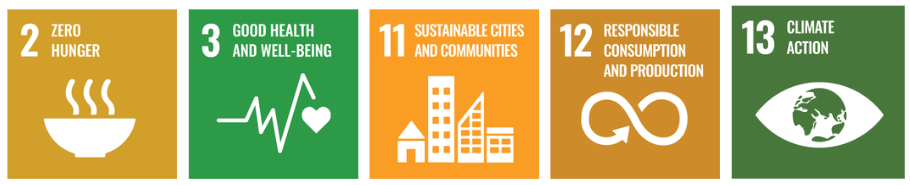
Aligned with UN Sustainable Development Goals
Spent Goods is committed to reducing greenhouse gases by diverting, upcycling, and utilizing locally grown organic grains—directly contributing to SDGs 3, 12, and 13.
Our goal is to feed everyone using untapped resources, not just those experiencing food insecurity, aligning with SDG 2.
With the surplus of food in urban areas, we are uniquely positioned to address SDG 11 by serving as an inspirational model for individuals and businesses seeking tangible climate solutions, one slice at a time.
Buying Spent Goods bread is the most direct way to support circular economy food systems in Toronto. Every loaf purchased:
- Rescues brewery grains from landfills
- Reduces methane emissions
- Supports local Toronto breweries and businesses
- Creates meaningful local jobs
- Demonstrates demand for upcycled food products
How You Can Help Climate‑Friendly Food Spread
If you want to turn this information into action, the most powerful step is often referral. Climate‑conscious people are trusted sources for their networks.
Here are practical ways to help climate‑friendly, upcycled bread reach more plates:
- Share this page with a friend, colleague or neighbour who cares about climate friendly food and action
- Suggest climate‑friendly, upcycled bread to your local grocery store, restaurant, office, school or place of worship
- Ask caterers and event planners you work with to include climate‑friendly options in their bread and snack menus
Every introduction you make helps shift everyday food choices toward a system that wastes less and does more for the planet.
Frequently Asked Questions
What makes a food product climate-friendly?
Climate‑conscious consumers face a lot of labels and claims; not all of them matter equally. For food, impactful climate‑friendly choices typically include: cutting food waste and favouring upcycled or whole‑use ingredients, shifting more of the diet toward plant‑based options, and supporting efficient production and distribution that limits unnecessary emissions.
Explore our Complete Guide to Climate-Friendly Eating: Resources for a Sustainable Diet
Why do food choices matter for the climate?
Climate‑friendly food choices focus on cutting food waste, favouring upcycled and plant‑based options, and supporting efficient, local production.
What is upcycled food?
Upcycled bread takes ingredients that would otherwise go to waste and turns them into safe, high‑quality products people want to eat. It is a practical way to shrink food waste while using the energy, water and land already invested in growing that food. Upcycled products, like bread made from brewery spent grains, fit naturally into a circular economy where resources are used fully instead of discarded.
How does upcycled bread help fight climate change?
With upcycled bread, climate impact comes from two main levers: avoiding food waste and replacing conventional ingredients with higher‑value use. Each loaf that incorporates spent grains keeps a portion of by‑products out of lower‑value channels or potential waste streams. Because bread is a staple item, repeated purchases add up: regular use of upcycled products across a year can materially reduce diet‑related emissions for an individual or household.
Does food waste in landfills generate greenhouse gas emissions?
Yes. When food by‑products end up in landfills, they can generate methane, a potent greenhouse gas. Food that is grown, processed and transported but never eaten carries a huge, unnecessary carbon footprint. Brewery spent grains are a perfect example: they are rich in fibre and protein but often treated as waste once the beer is brewed. Upcycling these grains into bread keeps nutrients in the food system and reduces the emissions tied to waste.
How does eating beer help me reduce climate change?
Glad you asked. Read our post, How eating beer can reduce climate change by the Founder of Spent Goods.
Find us at multiple pickup and retail locations across Toronto or order online for delivery.