This is Part 3 of a three-part series. Part 1 on Spent Goods and Part 2 ran on Organic Lifestyle. If you haven’t read them yet, go back and start there — this one’s the ending, and it’ll mean more
My French Odyssey — Part 3: French Lessons


Wholesale Artisan sourdough, made with rescued ingredients in Toronto
This is Part 3 of a three-part series. Part 1 on Spent Goods and Part 2 ran on Organic Lifestyle. If you haven’t read them yet, go back and start there — this one’s the ending, and it’ll mean more
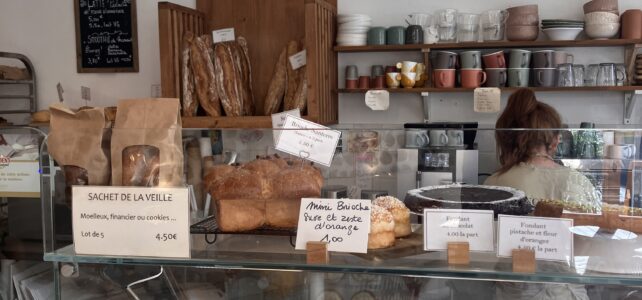
This is Part 1 of a three-part series. Part 2 runs on the Organic Lifestyle blog, Part 3 comes back here to Spent Goods. Read all three to complete the odyssey. It’s a sunny Saturday late morning here in Toronto
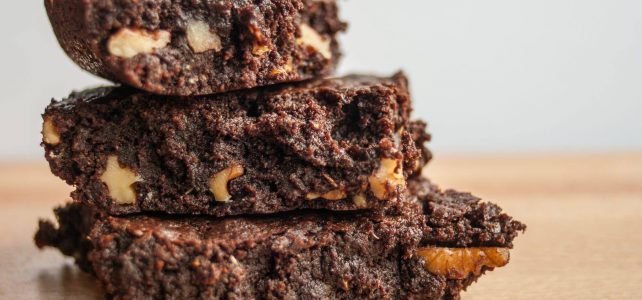
What you eat is one of the most powerful levers you control every day. Small food swaps—like choosing upcycled bread—can reduce diet-related emissions by up to 25% while fighting food waste. This page shows how to turn your regular grocery

If you want to shrink your climate impact and strengthen nearby communities, one of the most practical steps is to support local businesses that upcycle food by‑products that would otherwise be wasted. By choosing Spent Goods products made with rescued
A climate-friendly diet prioritizes foods with lower environmental impact—like plant-based, local, and upcycled ingredients—to reduce greenhouse gas emissions without sacrificing nutrition or flavour. You can start today by swapping everyday staples like bread for upcycled alternatives that rescue food waste
Plant‑based, fibre‑rich breads are usually better for both personal health and planetary impact than refined conventional loaves, and upcycled spent‑grain breads can go a step further by boosting fibre and protein while cutting food waste. Conventional vs fibre‑rich vs spent‑grain

Spent grain breads are addictive not because of bold malty flavours, but because of their unique texture and visual appeal. Brewery spent grains contribute hearty, nutty character and grain-studded chew that chefs love for plating and foodies crave for authentic,
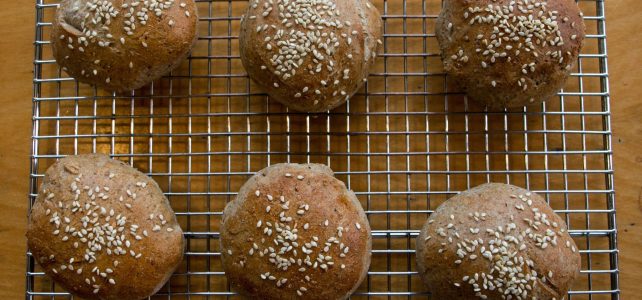
Climate‑friendly or low‑carbon food keeps greenhouse gas emissions and waste as low as possible from farm to fork, while still delivering nutrition people actually want to eat. Upcycled products made from brewery spent grains turn a local waste stream into
Toronto has no shortage of caterers. What it lacks is food that’s sustainable before it ever reaches the table — made from ingredients that would otherwise be discarded, sourced from the city’s own breweries, and baked by hand. That’s what
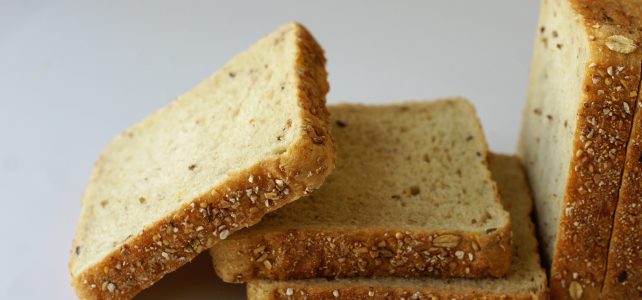
In today’s rapidly changing world, the urgency to adopt earth friendly meals has never been more critical. As consumers become more aware of their environmental footprint, the food industry is evolving to meet the demand for sustainable options. From farm