
This is one of the biggest concerns most breweries have – disposing of their bioactive yeast. While its common for breweries to re-use their yeast from previous brewery runs (e.g., re-use 50% from previous run + 50% new yeast), a
Spent grain as cattle feed
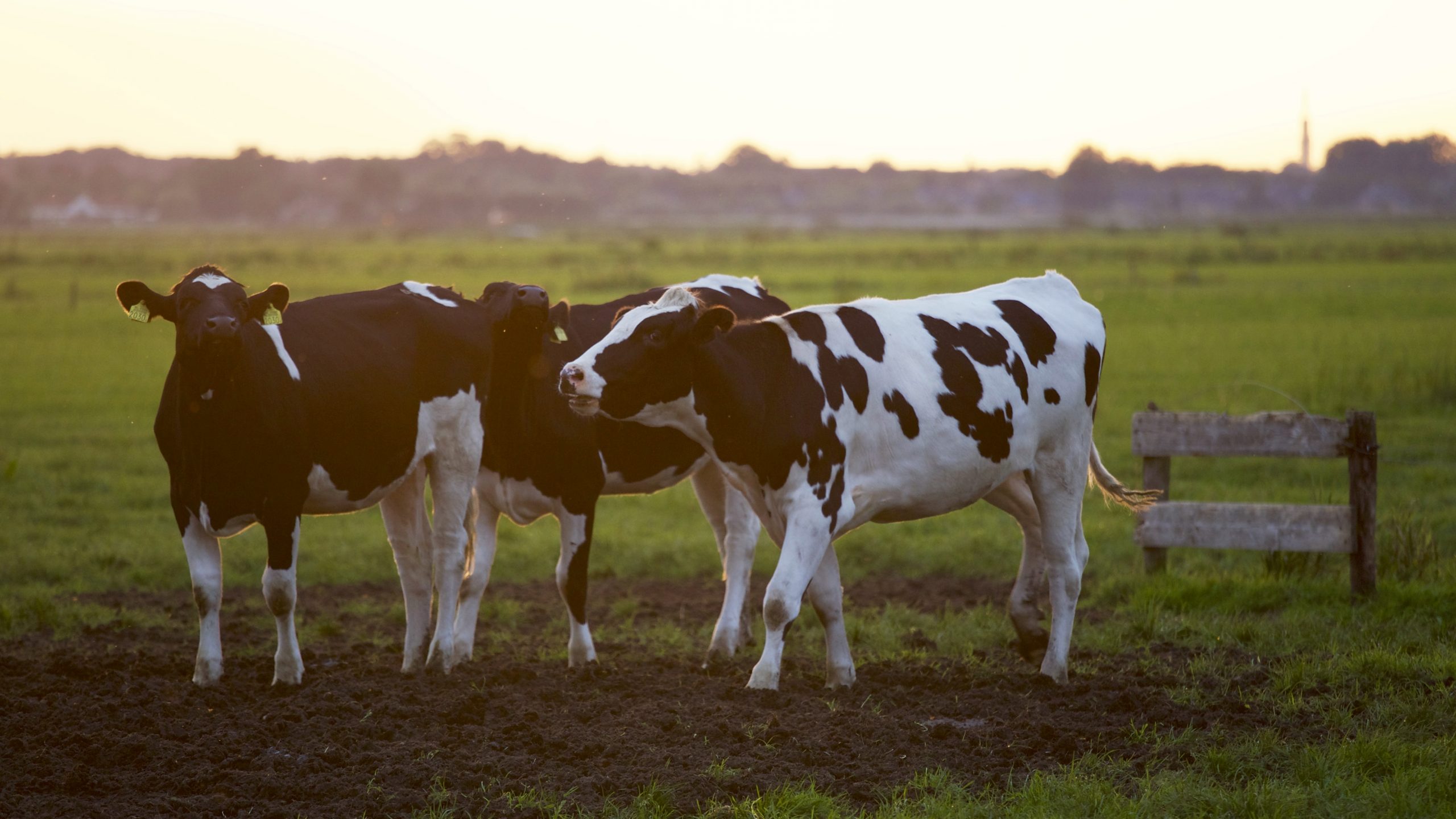
Traditionally, BSG is mainly used as cattle feed. It should be considered as a lower cost, rich in protein, lipids and fiber supplement, not a complete feed replacement. How does it taste? Majority of the sweetness of beer has been drained
Chemical composition of spent grains
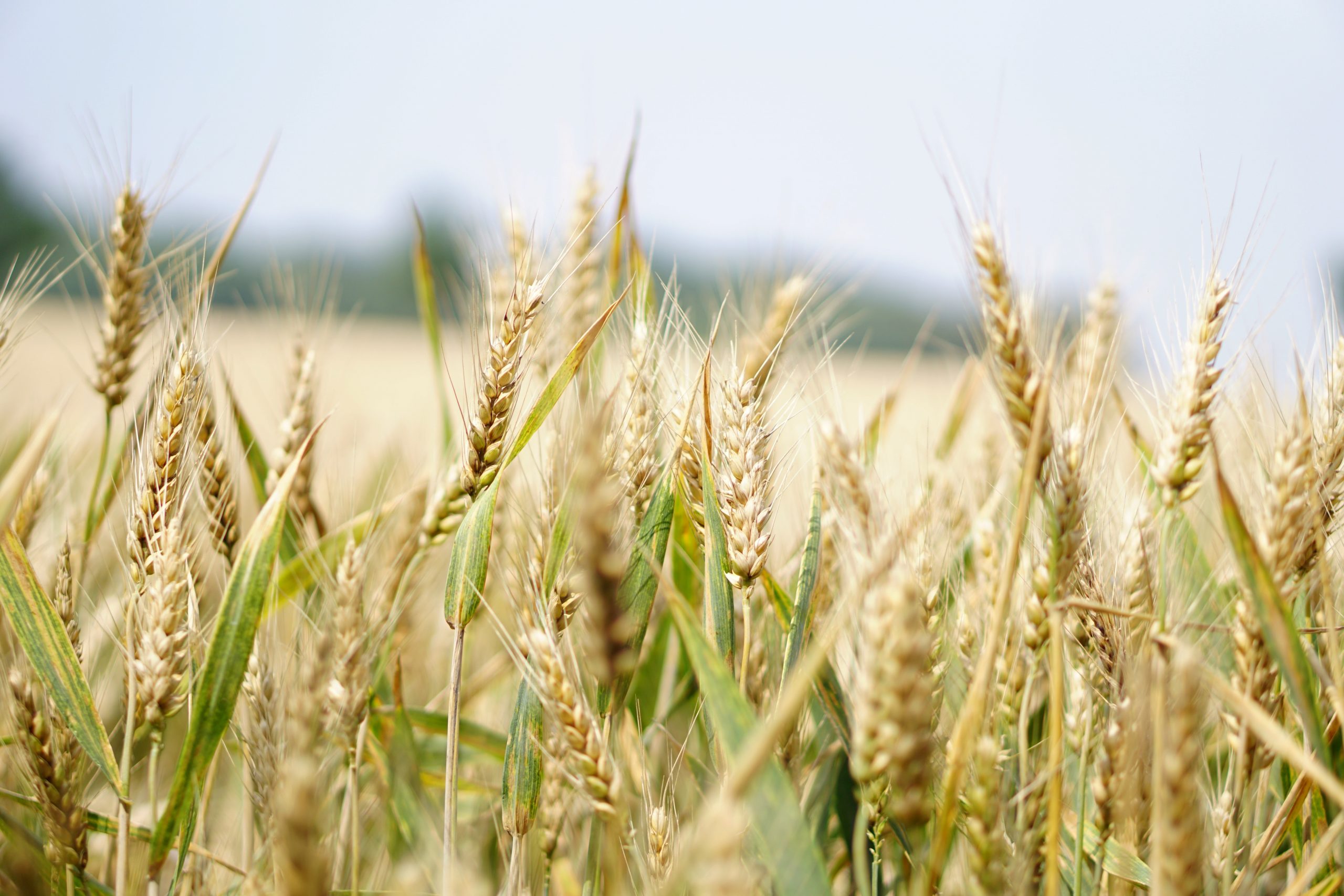
The main components of Brewer’s spent grains are cellulose, hemicellulose, i.e. arabinoxylan, lignin, protein, lipids, and low molecular weight phenolic compounds Image credit New Food Magazine
Spent grains nutritional overview – rich in protein, fiber, phenolic compounds, vitamins and more
Brewer’s spent grains (BSG) contains more than half the daily recommended dietary fiber (62%!), complete plant protein, and medium-chain fatty acids: is a lignocellulosic material rich in protein and fiber (cellulose, arabinoxylan and lignin) accounting for approximately 20 and 70% respectively
Spent grains as hog/pig feed
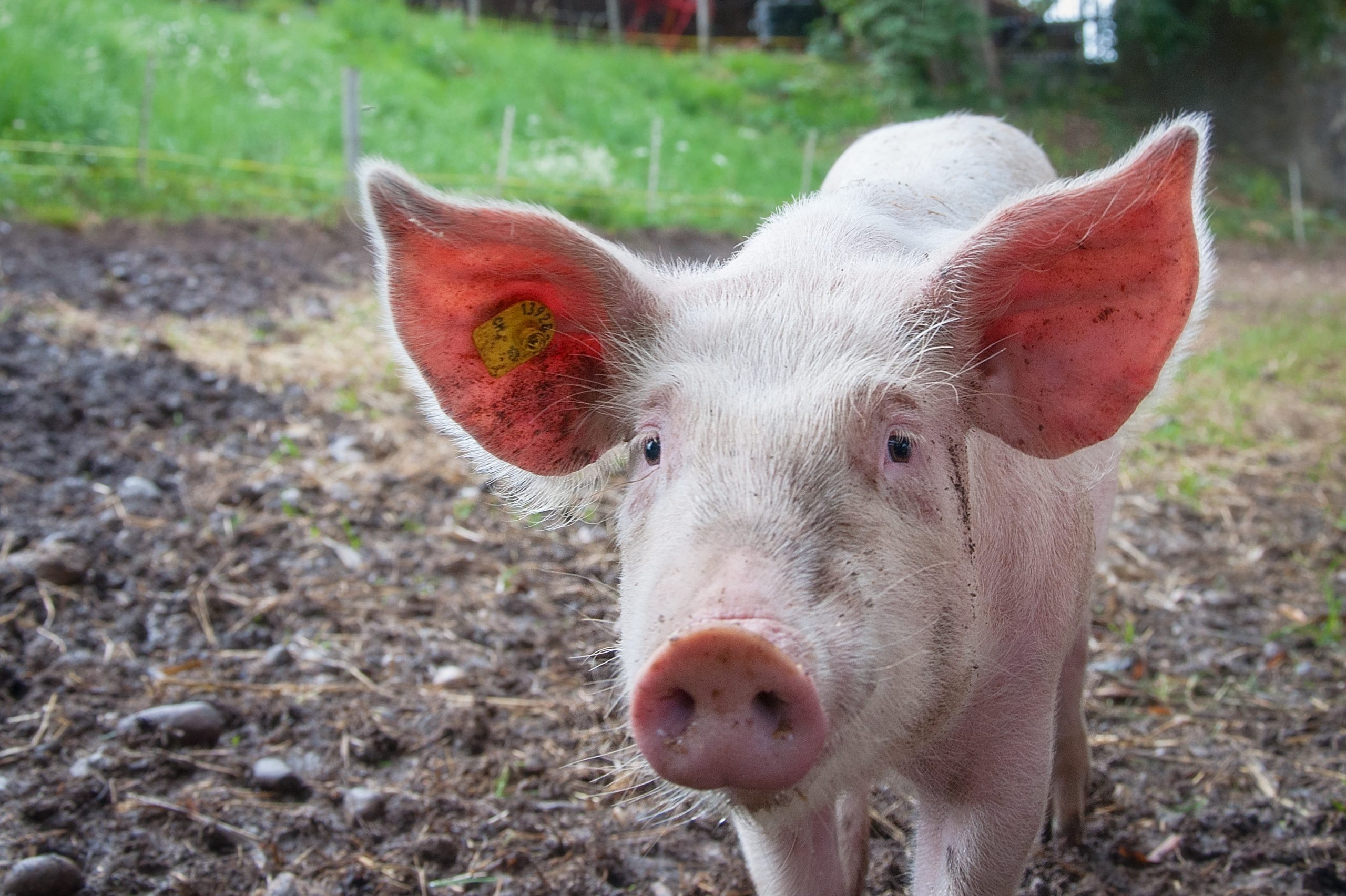
Based on our research, while spent grains are being fed to hogs (domestic pig that weighs more than 120 lbs. (54 kilograms)), according to this article in Grit, the effects of spent grain consumption as hog feed are not quite
Spent grains as Human grade food

Brewer’s spent grains (BSG) is considered an ideal ingredient for human food because of being readily available, low-cost, and rich in nutrients. It can be added to foodstuffs, such as bread, biscuits, muffins, and snacks, that need to improve their
Drying Spent Grains at Home

There are a number of ways to prepare spent grain for storage at home: Freezing – Tossing it into the freezer is the safest, easiest way to store grain. It takes no effort to put into storage, but it has the
Industrial Drying Spent Grains
In this post, we’ll look at the optimal moisture content you need to achieve for long term storage of spent grains, summary of different drying techniques (from superheated steam to burning spent grain for heat) According to Brewery Wastewater, the
Silage techniques for wet spent grains

According to Feedipedia.org and L Pernia, Silage is a good method for storing wet brewers grain for a longer period, particularly since ensiling does not alter their nutritive value (Geron et al., 2008). Fill the silo at once. Provide flow to