
Frequently Asked Questions about Spent Grain Recipes
What are spent grains and can I use them in baking?
Spent grains are the leftover barley and other grains from the beer brewing process. Yes, you can absolutely use them in baking! Spent grains add nutritional value, fiber, and a subtle nutty flavor to breads, muffins, cookies, and other baked goods. They’re an excellent way to reduce food waste while adding protein and texture to your recipes.
Where can I get spent grains for cooking at home?
Contact your local craft brewery or brewpub and ask if they have spent grains available. Many breweries are happy to give them away for free or at minimal cost since they’re considered a byproduct. Call ahead to arrange pickup, and bring your own container. Fresh spent grains should be used within 24-48 hours or frozen for later use.
Do I need to dry spent grains before using them in recipes?
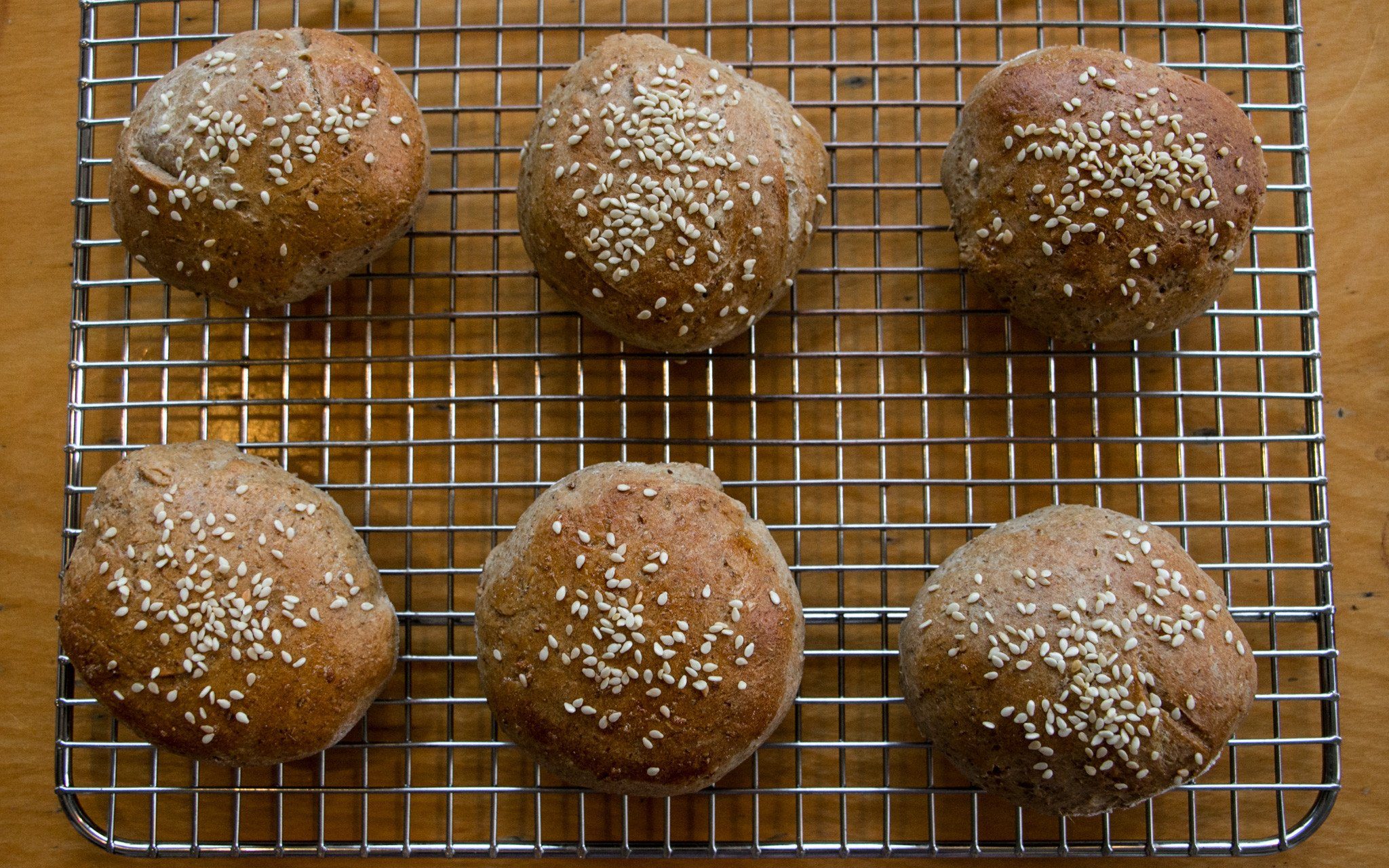
It depends on the recipe. Fresh, wet spent grains work well in recipes with high moisture content like burger buns, brownies, and waffles. For recipes requiring precise measurements or longer shelf life, you may want to dry and grind them into spent grain flour. Dried spent grains can be stored for months and measured more accurately.
What can I make with spent grains besides bread?
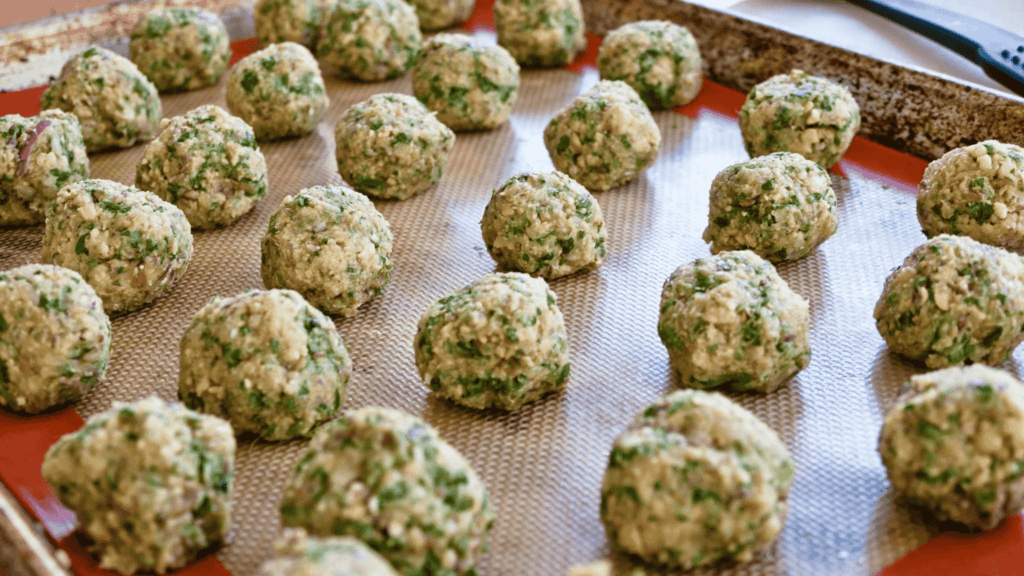
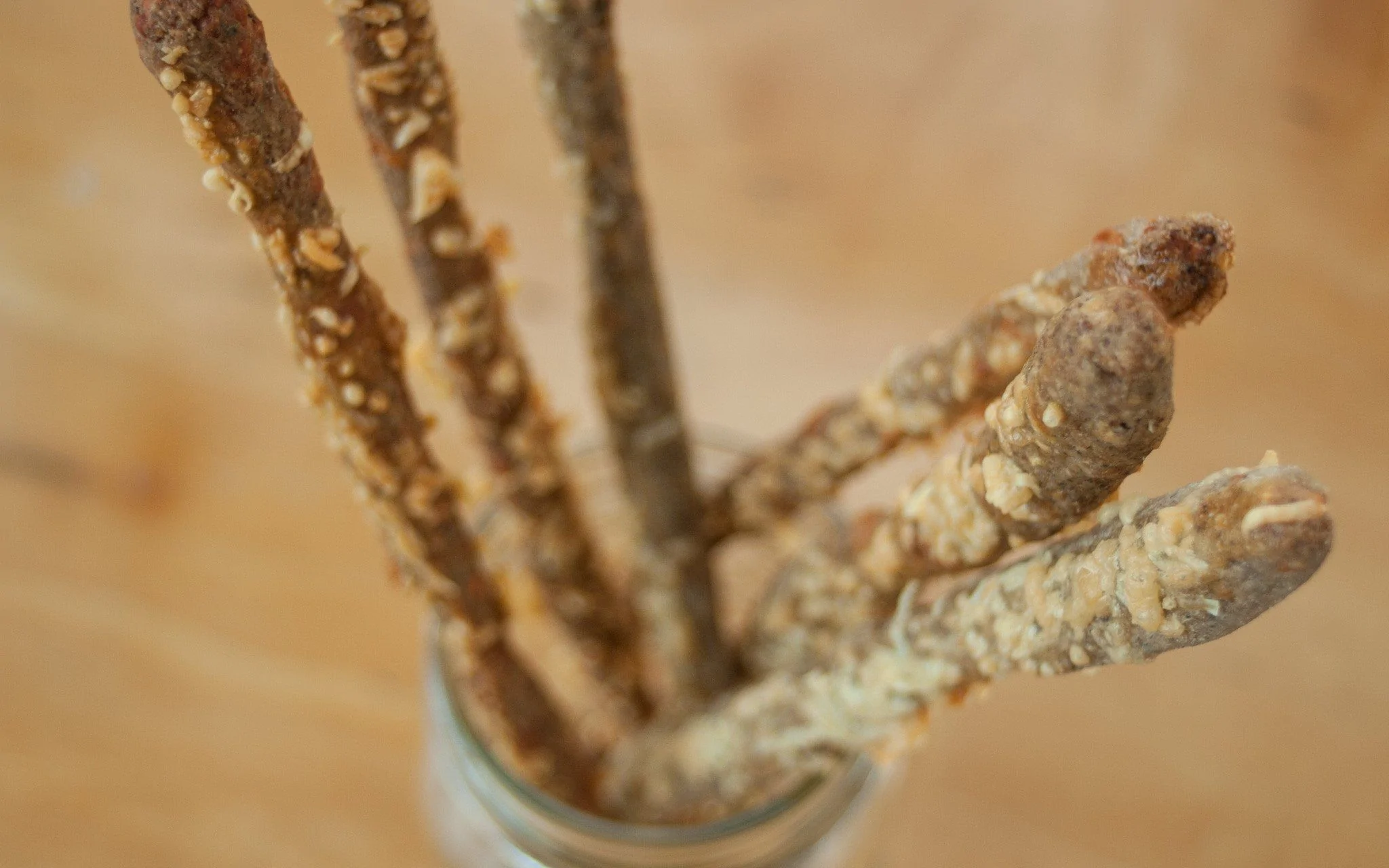
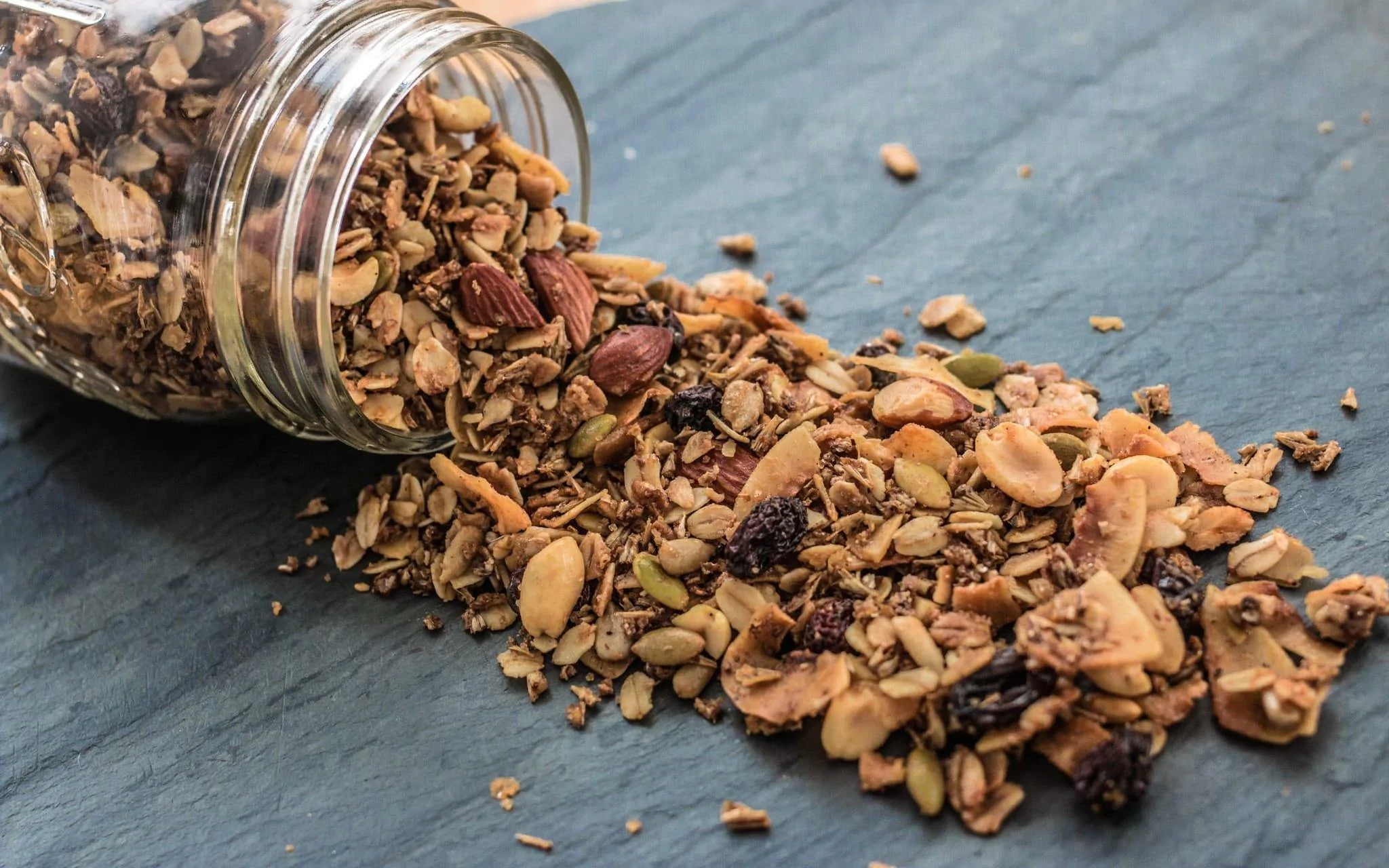
Spent grains are incredibly versatile! Popular recipes include spent grain baked falafel, burger buns, granola, brownies, waffles, cheese straws, carrot cupcakes, and even dog treats. You can also use them in pizza dough, crackers, energy bars, and as a crust for cheesecakes. The nutty flavor complements both sweet and savory dishes.
How do spent grains affect the texture of baked goods?
Spent grains add moisture and a slightly dense, hearty texture to baked goods. They provide a rustic, whole-grain quality similar to oat bran or wheat germ. In breads, they create a chewier crumb and extended shelf life. Start by substituting 10-20% of your flour with spent grains and adjust based on your preference.
Are spent grains gluten-free?
No, most spent grains contain gluten because they come from barley, which is a gluten-containing grain. If you have celiac disease or gluten sensitivity, spent grains from traditional beer brewing are not safe. However, if you can source spent grains from gluten-free beer production (using sorghum, rice, or millet), those would be gluten-free.
How long do fresh spent grains last?
Fresh spent grains are highly perishable and should be used within 24-48 hours when refrigerated. The high moisture content makes them prone to spoilage and mold growth. For longer storage, spread them on a baking sheet and dry them in a low oven (150-200°F) for several hours, or freeze them in portions for up to 3 months.
What’s the nutritional value of spent grains?
Spent grains are rich in protein (15-25% by dry weight), dietary fiber, and essential amino acids. They contain B vitamins, calcium, and iron. While the brewing process extracts most sugars and starches, the remaining grain retains its fiber and protein content, making it a nutritious, climate-friendly ingredient that reduces food waste.
Can I substitute spent grain flour for regular flour in any recipe?
Not entirely. Spent grain flour works best as a partial substitute, typically replacing 15-30% of all-purpose flour in most recipes. Using too much can make baked goods dense or heavy. For best results, use recipes specifically designed for spent grains or experiment gradually to find the right ratio for your favorite recipes.
What do spent grains taste like?
Spent grains have a mild, slightly sweet, nutty flavor reminiscent of malted barley or whole wheat. They’re not bitter or beer-flavored. The taste is subtle and complements both sweet treats like brownies and cupcakes, and savory items like burger buns and falafel. The flavor becomes more pronounced when the grains are toasted or dried.
Listing of spent grain based recipes
We’d love to hear about your experience about making these recipes !
Spent Grain and Herb Whole-Wheat Bread

Spent Grain Parmesan Cheese Straws
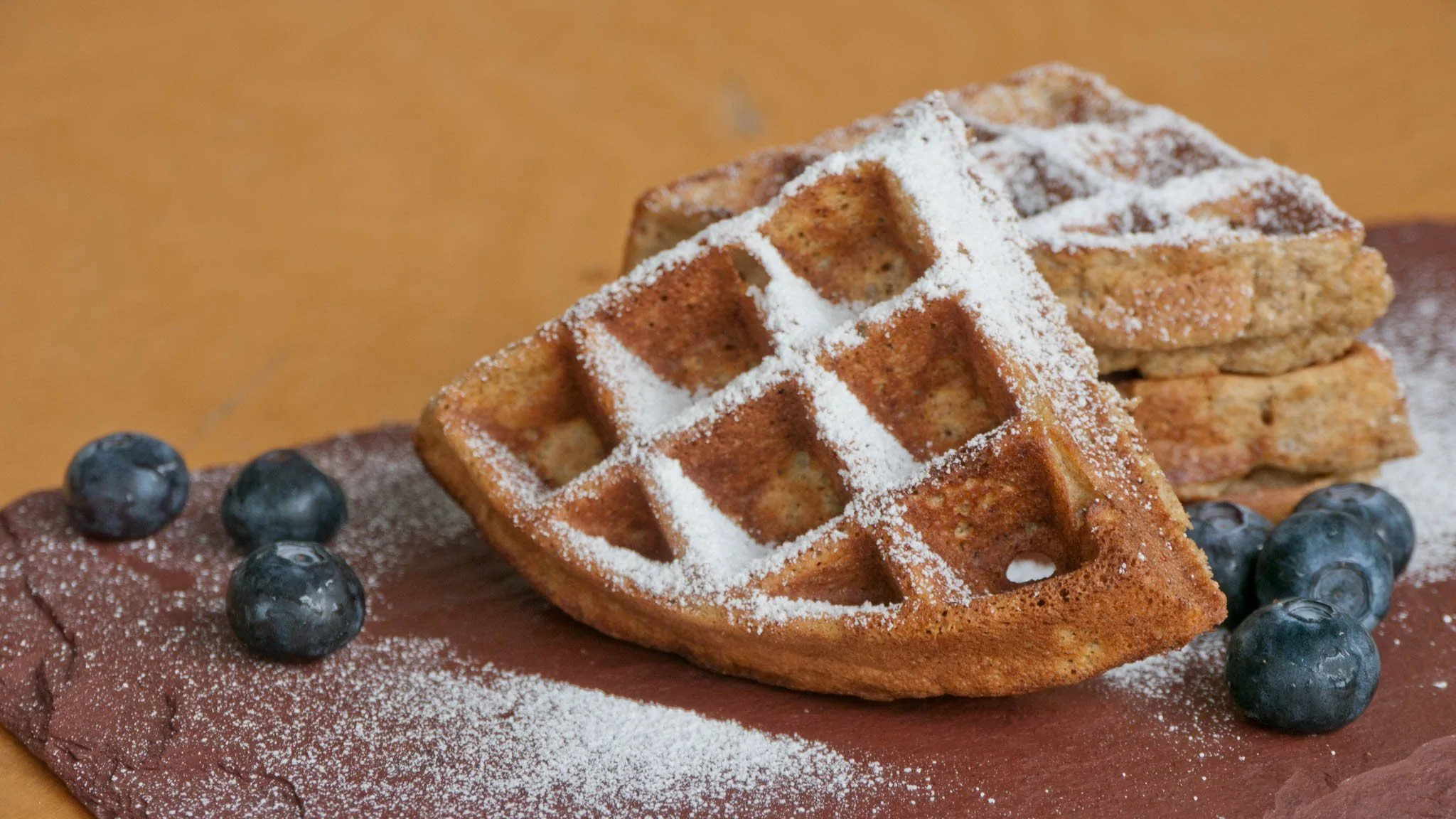
Spent Grain Dog Treats, Bread and Waffles


Spent Grain Mini Carrot Cupcakes

Ginger Beer Cheesecake with Spent Grain Crust

As you can image, alot more spent grains recipes by:
Gibbs Land Use and Environment Lab
A big thank you to these pioneering organizations who have listed their recipes!