
This is Part 1 of a three-part series. Part 2 runs on the Organic Lifestyle blog, Part 3 comes back here to Spent Goods. Read all three to complete the odyssey.
It’s a sunny Saturday late morning here in Toronto — just made myself another coffee as I go through pictures from my recent business trip to the South of France. A lot has happened in the last few months, and I feel like I’ve lived a lifetime since getting back. This is my attempt to process all of it, in three parts, across the two ventures this trip ended up touching.
Mid-May 2026, I got on a flight to Nice, France. My goal was to explore a country that seemed to be making huge strides in sustainability. Having lived through their heatwave (more on that in Part 3), I understood why — France is facing the immediate impacts of the climate crisis and adapting in response: reducing its climate change impact through measures like mandatory green roof installations and making it illegal to dump food waste, encouraging donations instead. As the Managing Director of Organic Lifestyle, I found myself wondering how we could build that same mindset here in Canada — which is exactly where Part 2 of this odyssey goes.
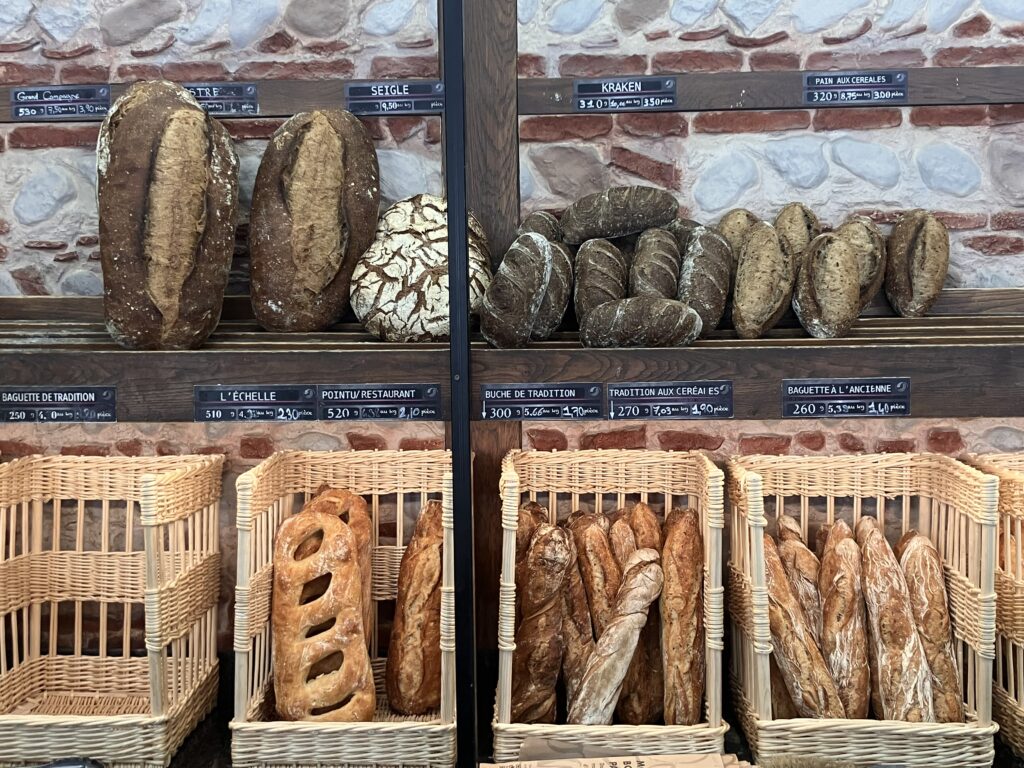
But let’s start with bread, since that’s the part of this trip that speaks directly to what we do at Spent Goods. France has a culture of eating fresh baked goods — locals line up for a fresh baguette, sometimes buying it twice a day (or maybe that’s just my friend’s husband). Here in Toronto, we’re mostly a white bread city, and sourdough still feels niche. In Europe, there are dozens of different grains on offer — I’d guess at least ten varieties in their boulangeries, which, by the way, are as common as a coffee shop or nail salon in Toronto, practically on every corner. It didn’t seem to matter what time of day it was — there were always a few locals in there, having an espresso and catching up with a friend, or enjoying a quiet moment with a pain aux raisins while scratching lotto cards.
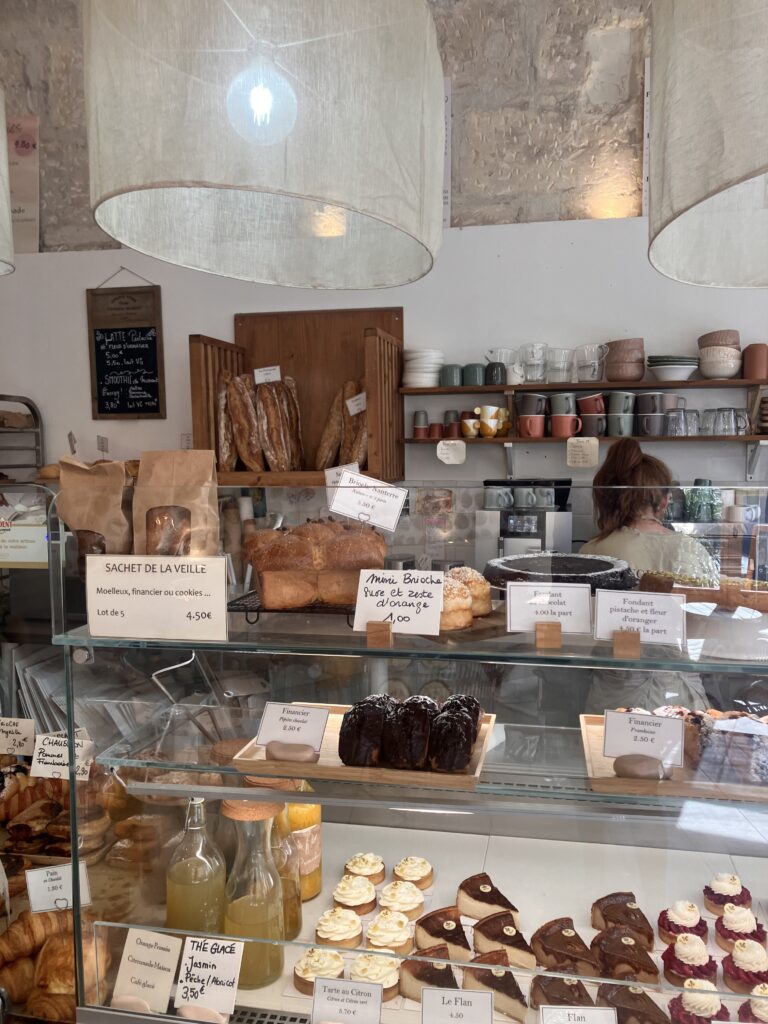
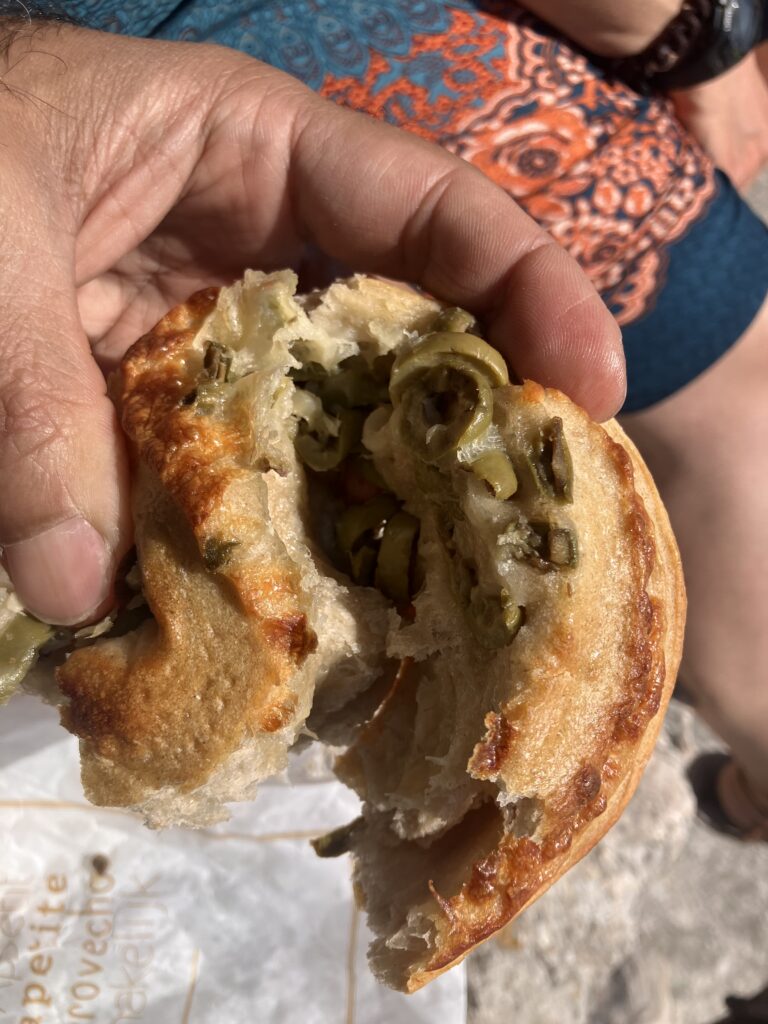
In Nice, I tried to sample all the local specialties:
- Pan bagnat — a round bread stuffed with tuna, hard-boiled egg, olives, anchovies, and vegetables, basically Salade Niçoise packed into a sandwich.
- Pissaladière — an onion tart topped with anchovies and black olives, no tomato (a common misconception since it looks like pizza).
- Tourte de blettes — a sweet chard pie made with raisins and pine nuts, one of the odder regional specialties since it’s savory greens in a dessert.
- Petits farcis niçois — small vegetables (zucchini, tomatoes, peppers, onions) stuffed with a meat or breadcrumb filling and baked.
I had never made the connection that Salade Niçoise is actually from Nice!
I think this idea — each region having its own local specialty — is part of what makes France’s food culture so strong. It’s similar to how “Champagne” can only be applied to goods from the Champagne region made using traditional, regulated methods (Spanish Cava, for instance, is made using similar techniques but can’t be called Champagne). The French people I met seemed to know the specialties from each region and were keen to try them when they visited.
As you can imagine, the food was consistently good — simple, tasty, fresh. It was reassuring to see how many protections Europe has in place around how food is produced. Take Menton, known for its artisan lemon production. This particular variety made Menton world-famous — its downtown streets are lined with alternating orange and lemon trees.
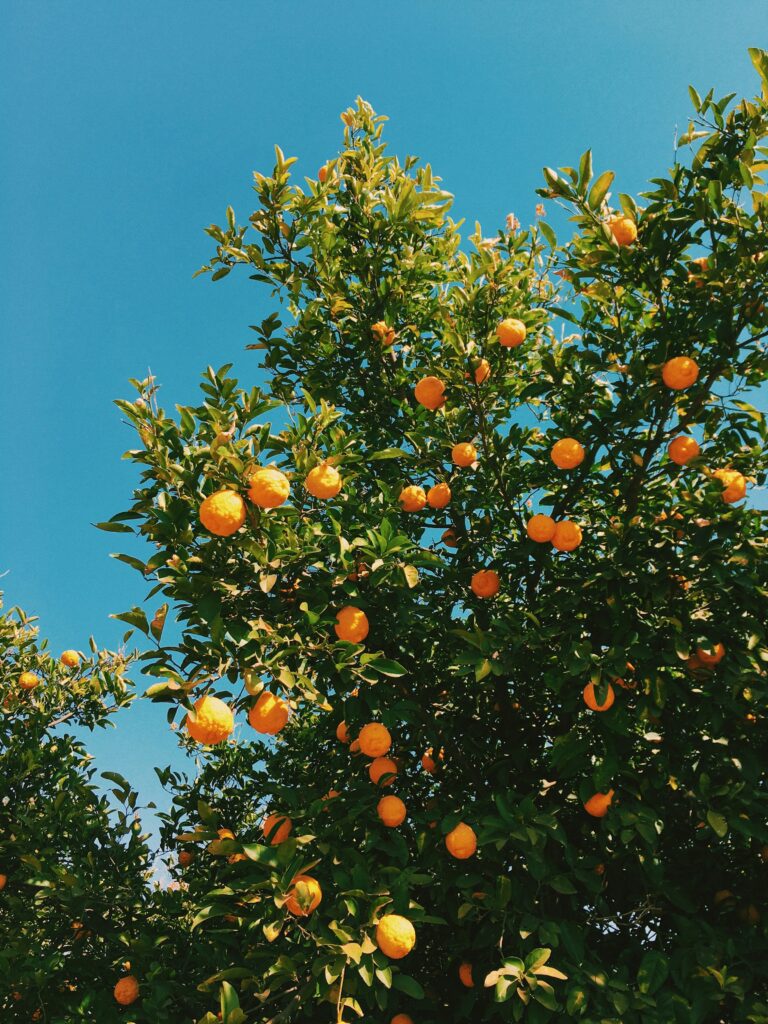
I had the chance to visit a working lemon farm (highly recommended!). I learned that by 1928, Menton was the main producer of lemons on the European continent, known as Europe’s lemon capital. A severe frost in 1956 nearly wiped out the industry. A small group of farmers in the Menton area started replanting around 1980, saving the French lemon industry.
Today, Menton Lemons is known for quality rather than volume. The terrain is steep and mountainous, so cultivation and harvesting have to be done by hand — industrial-scale mechanization isn’t possible.
European regulation means more human labour to preserve the traditional, labor-intensive method, which means higher costs compared to industrially grown lemons. And if a producer wants Fair Trade or Biodynamic certification on top of that, it’s even more cost to cover the certification process — another reminder that we end up paying more to prove something is better for us. It’s a strange asymmetry — small producers pay to prove their methods are better, while industrial additives mostly just have to clear a baseline safety bar rather than prove long-term harmlessness.
Speaking of certifications — has anyone heard of Gault et Millau? It’s the main rival to Michelin in France, and unlike Michelin, it specifically spotlights chefs and producers working with local ingredients.
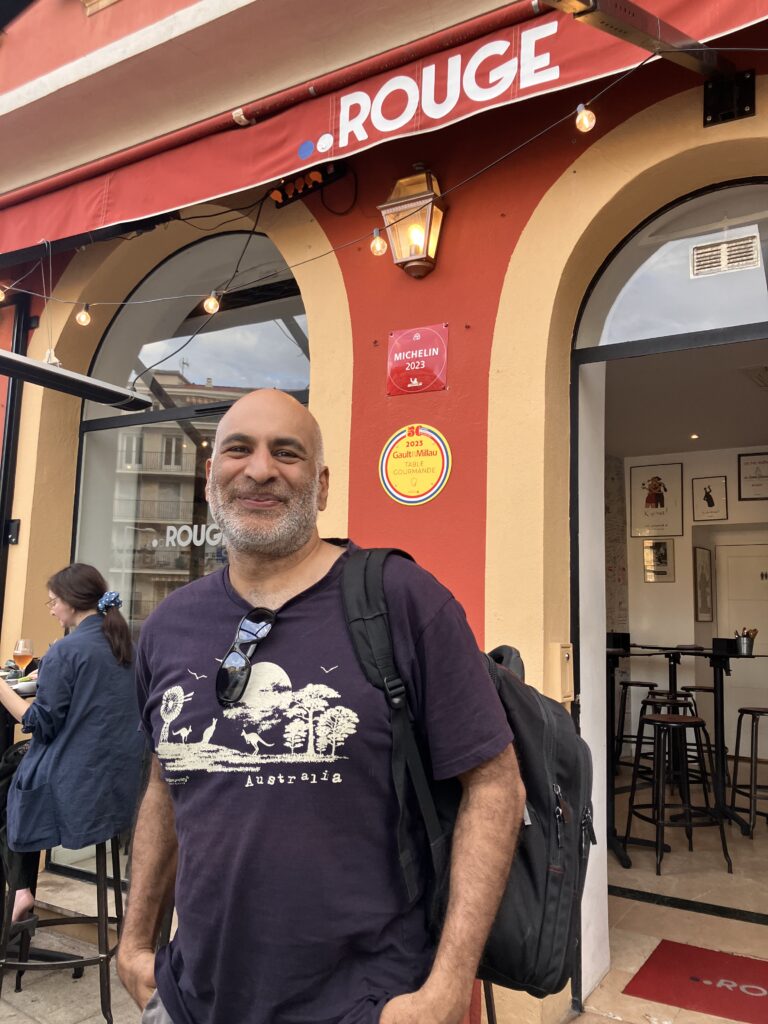
Rouge, a restaurant I found one night near the Nice port, turned out to be a perfect example of what that certification is meant to do — its focus on locally sourced ingredients introduced me to new ways of preparing produce I thought I already knew well.
That’s Part 1. In Part 2, over on the Organic Lifestyle blog, I get into the bigger picture — how France has built climate adaptation into everyday decisions. And in Part 3, back here on Spent Goods, I get into the part of this trip I haven’t quite figured out how to write about gracefully — plus what all of it has me thinking about for Toronto.

Managing Director – Organic Lifestyle, Spent Goods & AI Curious